I. Pre-Operation Preparation
Equipment Inspection
Check critical components such as the hydraulic system, braking system, rotary mechanism, and tracks/wheels for normal functionality, ensuring no leaks or abnormal wear
Verify sufficient fuel, lubricating oil, and coolant levels. Refuel in a safe area away from open flames
Inspect wire ropes, pulleys, and other critical parts for integrity to prevent fractures
Site Assessment
Evaluate terrain, obstacles, underground utilities (e.g., cables, pipelines), and slope stability. Mark utility locations if necessary
Clear loose rocks, debris, and obstacles from the work area to prevent collapses or mechanical damage
Safety Measures
Operators must wear safety helmets, protective goggles, anti-slip boots, and high-visibility vests
Ensure the cab doors/windows are closed. Sound the horn before starting to warn nearby personnel
II. Startup and Travel Protocols
Startup Requirements
Place the main clutch in neutral before starting the engine. Check dashboard indicators for abnormalities
Prohibit alcohol consumption before operation. Restrict unauthorized personnel from climbing onto the equipment
Travel Guidelines
Slope Travel: On ascents, drive wheels at the rear; on descents, drive wheels at the front. Limit slope angles to ≤20°. Avoid coasting in neutral
Turning: Maintain a safe radius outside the operator’s visibility. For sharp turns, execute in stages (≤20° increments)
Soft Terrain: Use wooden planks or mats to distribute weight and prevent sinking
III. Operational Safety During Work
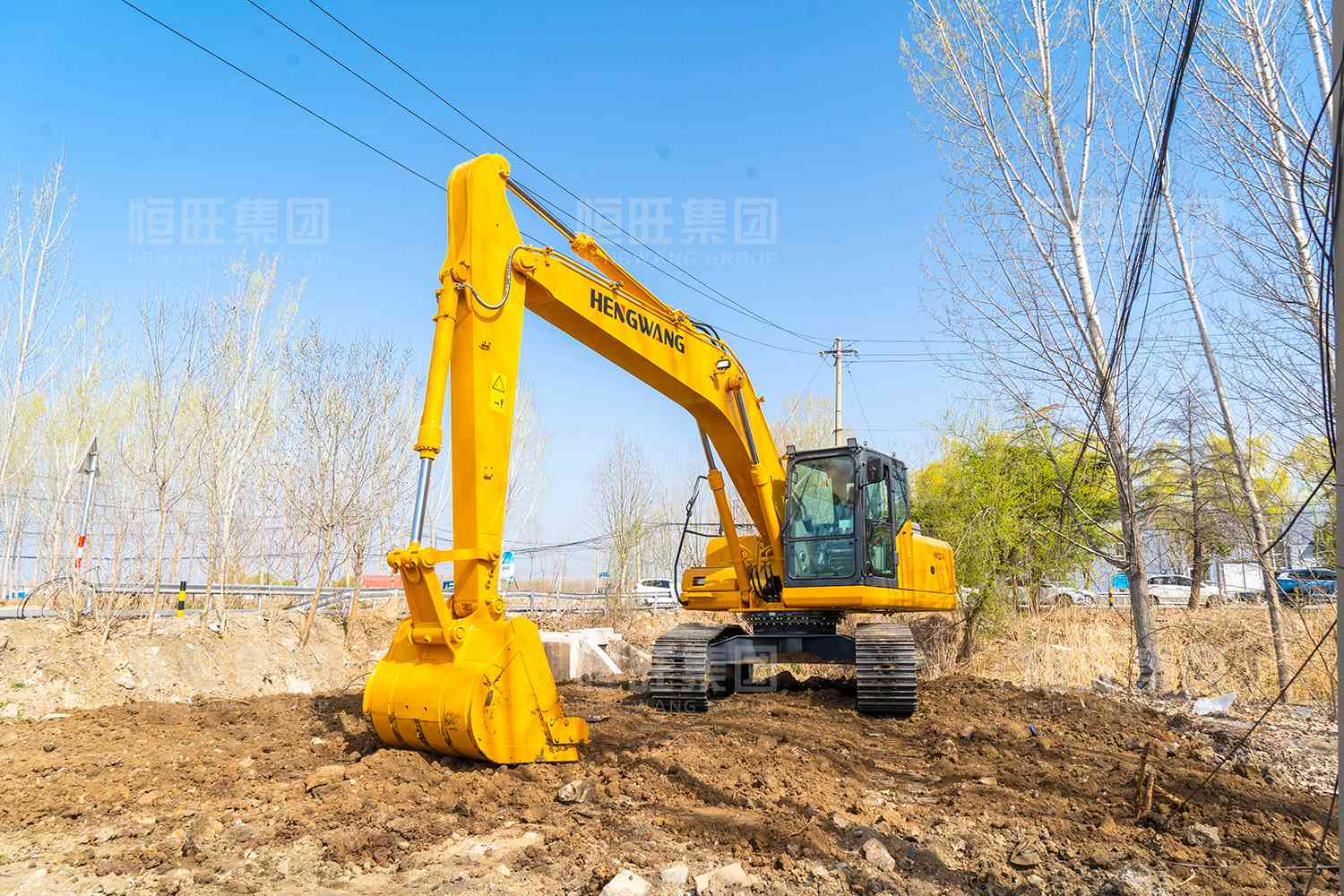
Control bucket penetration depth to avoid sudden movements. Lower the bucket gently to prevent collisions with vehicles or cabs
Use the rotary brake for smooth turns. Prohibit abrupt directional changes or emergency stops
Collaborative Work
Secondary workers (e.g., cleanup crews) must stay outside the excavator’s swing radius. Enter only after the excavator halts and brakes
During truck loading, ensure the vehicle is stationary and the driver exits before commencing. Avoid swinging the bucket over the cab
Special Conditions
Hard Materials: Use hydraulic breakers for rocks or frozen soil. Avoid forced excavation with the bucket
Demolition Work: Analyze collapse patterns and maintain a safe distance between the cab and the structure
Night Operations: Enable full lighting systems to eliminate blind spots
IV. Maintenance and Shutdown Procedures
Routine Maintenance
Monitor hydraulic oil temperature and filter conditions. Replace worn components promptly
Lubricate moving parts (e.g., tracks, rotary joints) regularly to reduce mechanical wear
Post-Operation Steps
Return the bucket to the ground, neutralize control levers, and shut down the engine. Drain coolant in cold climates
For long-term storage, park on flat ground, secure stabilizers, and cover the equipment with dustproof covers
V. Emergency Response and Safety Prohibitions
Incident Handling
Halt operations immediately upon detecting abnormal noises, leaks, or hydraulic failures. Report issues promptly
Evacuate to a safe zone and mark hazards if collapses, overturning, or flooding occurs
Strict Prohibitions
Never operate with the bucket suspended mid-air during rotations, travel, or repairs
Prohibit bucket use for lifting materials or personnel. Ban overloading and reckless maneuvers
Summary
Excavator operations demand strict adherence to safety protocols, from pre-operation inspections to collaborative workflows.